



Why Your Brake Pedal Vibrates in West Allis, WI
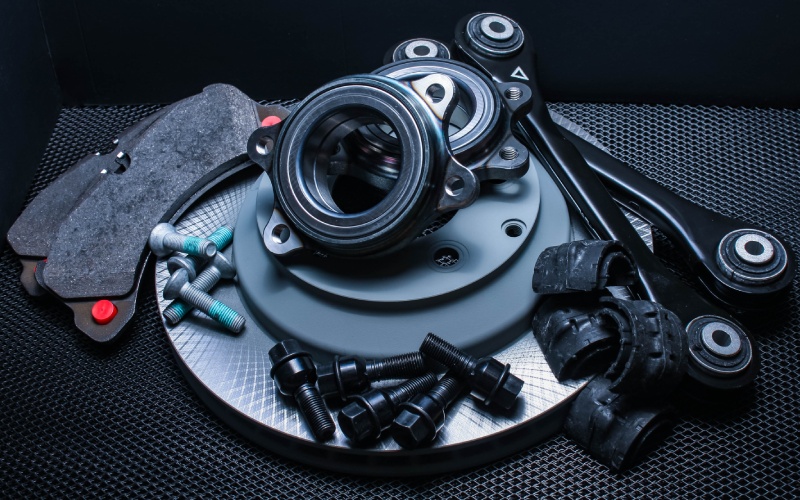
Russ Darrow Kia of Wauwatosa – Why Your Brake Pedal Vibrates in West Allis, WI
What Brake Pedal Vibration Usually Means
A vibrating brake pedal is one of the most common reasons drivers search for brake repair near West Allis, WI. The sensation may feel like a pulsing pedal, a steering wheel shake, or a vibration through the floor when slowing down. In many cases, brake vibration points to uneven rotor surfaces, worn brake pads, sticking calipers, tire imbalance, wheel alignment concerns, or suspension wear. Because several systems work together whenever you slow down, a careful inspection is the best way to identify the real source instead of replacing parts based on guesswork.
For West Allis drivers, brake performance matters during everyday situations such as turning onto Greenfield Avenue, navigating busy parking areas near shopping centers, merging toward I-894, or traveling east toward Milwaukee. Frequent stop-and-go driving can generate repeated heat in the braking system. Over time, heat, friction, road debris, and normal wear can change how brake components feel. A light vibration might start only at highway speeds, while a more advanced issue can show up during routine neighborhood stops. If the vibration grows stronger, happens more often, or comes with noise, it is time to schedule a brake inspection.
Common Causes of a Pulsing Brake Pedal
Brake pedal vibration is often blamed on “warped rotors,” but the full explanation can be more specific. Brake rotors can develop uneven thickness variation or surface deposits that cause the pads to grab inconsistently. The result is a pulsing sensation as the wheel rotates. Worn pads can also create vibration if friction material is uneven or near the end of usable life. A caliper that does not slide properly may apply pressure unevenly, creating heat spots and accelerated wear. Tire and wheel problems can mimic brake vibration, especially when a shake appears at certain speeds and becomes more noticeable while braking.
- Uneven rotor surface: Pulsation through the pedal can occur when brake pads contact high and low spots on the rotor.
- Worn brake pads: Thin or uneven pads can create noise, vibration, reduced stopping smoothness, and longer stopping distance.
- Sticking caliper hardware: A caliper that binds can create uneven pressure, excess heat, and faster pad or rotor wear.
- Tire or wheel concerns: Unbalanced tires, uneven tread wear, or bent wheels can feel worse during braking.
- Alignment or suspension wear: Loose or worn components can allow movement that feels like brake shake.
Because the symptoms overlap, a complete inspection should include pads, rotors, calipers, brake fluid condition, tires, wheels, and related front-end components. Russ Darrow Kia of Wauwatosa can inspect braking concerns at our service department in Wauwatosa, WI, a short drive for West Allis motorists who want trained technicians, advanced equipment, and Kia OEM parts when applicable. Our team services all makes and models, with Kia vehicles serviced most often, so you can bring in a Kia sedan, SUV, hybrid, EV, or another vehicle for professional evaluation.
When Brake Vibration Becomes Urgent
Some brake symptoms should be treated as urgent. If the pedal vibrates along with grinding noise, a burning odor, the vehicle pulling to one side, a soft pedal, a brake warning light, or reduced stopping power, avoid delaying service. Grinding can mean pad material has worn down enough for metal contact. A pull during braking can signal uneven braking force, tire issues, or suspension concerns. A soft pedal may involve brake fluid, hydraulic pressure, or air in the system. Any change that affects stopping confidence deserves quick attention.
A practical approach is to notice when the vibration occurs. Does it happen only from highway speeds? Does the steering wheel shake more than the pedal? Does the vibration fade after a few stops, or does it get worse as brakes heat up? Does the vehicle sit for long periods, or does it handle short trips most of the week? These details help technicians narrow the cause. West Allis commuters who make frequent local stops may notice pad and rotor symptoms sooner than drivers who spend most miles cruising steadily. However, no driving pattern makes a vehicle immune to brake wear.
What Happens During a Brake Inspection
A good brake inspection is systematic. The technician checks brake pad thickness, rotor condition, caliper operation, brake hose condition, fluid level, and visible leaks. Tire tread and tire wear patterns may also be reviewed because tire problems can create vibration that feels like a brake concern. If rotors are worn beyond specifications, damaged, or uneven, replacement may be recommended. If pads are worn, contaminated, or wearing unevenly, fresh pads and related hardware may be needed. When applicable, OEM Kia brake parts can help maintain the fit and performance your vehicle was designed to use.
- Describe the symptom: Share when vibration happens, how fast you are driving, and whether noise or pulling occurs.
- Request a full inspection: Ask for brakes, tires, wheels, and suspension items to be checked together.
- Review the findings: A clear explanation should identify the cause, affected components, and recommended repair path.
- Plan future maintenance: After repair, ask about tire rotation, wheel alignment, and routine brake checks to support even wear.
Brake service is also a smart time to consider surrounding maintenance. Uneven tire wear can reduce ride quality and braking feel. Misalignment can affect handling and contribute to tire replacement sooner than expected. Low brake fluid or contaminated fluid can affect pedal feel. If you have noticed vibration after hitting a pothole, curb, or rough road surface, mention that during check-in. A single impact can contribute to alignment changes, wheel imbalance, or suspension movement that becomes obvious during braking.
Frequently Asked Questions:
Is it safe to drive with a vibrating brake pedal?
A slight vibration may not mean immediate failure, but it should be inspected soon. If vibration comes with grinding, pulling, warning lights, burning smell, or reduced stopping ability, schedule service as quickly as possible and avoid unnecessary driving.
Do vibrating brakes always mean I need new rotors?
No. Rotors are a common cause, but tires, wheels, calipers, pads, alignment, and suspension components can create similar symptoms. A proper diagnosis helps avoid replacing the wrong parts.
Can tire rotation help brake vibration?
Sometimes tire rotation can help if uneven tire wear is contributing to the shake, but brake-related vibration usually needs a brake inspection. A technician can determine whether tires, brakes, or both are involved.
How can I prevent brake vibration from coming back?
Keep up with brake inspections, tire rotations, proper tire pressure, wheel alignment, and prompt service when noise or pedal changes appear. Smooth braking habits and timely maintenance can also support longer component life.
Schedule Brake Service Near West Allis
If your brake pedal vibrates, your steering wheel shakes while stopping, or your Kia does not slow down as smoothly as it once did, professional inspection is the right next step. Our service team can check the full braking system, look for related tire or alignment concerns, and explain the repair options clearly. Drivers near West Allis can schedule brake service online or call our service department for an appointment. With convenient access from Mayfair Road and service hours designed for busy local schedules, our team is ready to help restore smooth, confident braking.
0 comment(s) so far on Why Your Brake Pedal Vibrates in West Allis, WI