



Kia Battery Replacement and System Reset Guide for Wauwatosa, WI
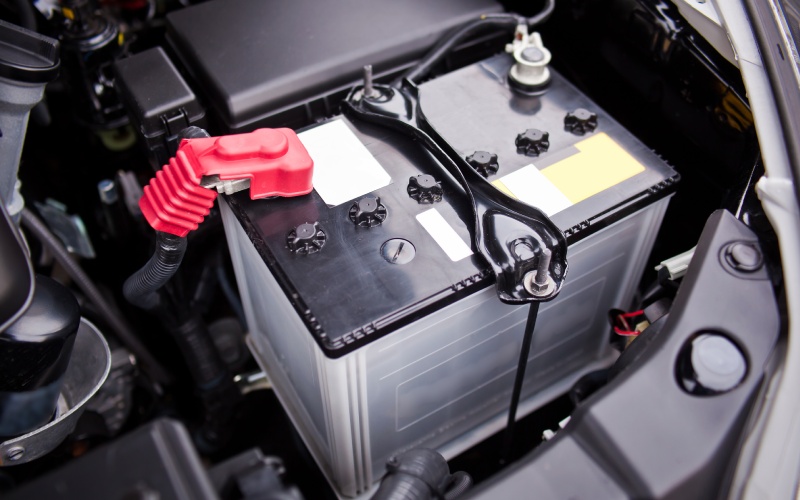
Russ Darrow Kia of Wauwatosa – Kia Battery Replacement and System Reset Guide for Wauwatosa, WI
Looking up Kia battery replacement near you and trying to make sense of sizes, cold-cranking amps, and whether a reset is required? This practical guide is built for Wauwatosa, WI drivers who split time between 27th Street errands, Layton Avenue commutes, and longer weekend trips. We cover how to pick the correct battery for models like Telluride, Sportage, Sorento, Seltos, K5, and Niro, how a battery management system (BMS) reset can protect charging health, and when to check for parasitic draw before installing anything new. If you plan to have the work performed near Milwaukee, WI, bring your VIN so the parts counter can confirm fit down to the trim and equipment level.
Clear signs your battery is on the way out
Slow cranking on cool mornings, intermittent start-stop function, dim interior lighting, or random infotainment reboots are early clues. Many Kia models will also trigger warning messages when battery voltage dips below thresholds needed for active safety or start-stop systems. If accessories like dash cams, remote starters, or multiple device chargers are used frequently, resting voltage can sag overnight. A quick battery and charging-system test helps determine whether the alternator, negative battery cable, or the battery itself is to blame before you replace the wrong part.
Wauwatosa’s short-hop driving patterns—quick school runs, grocery stops, and coffee pickups—may not give the alternator enough time to recharge a battery fully. Over weeks, partial charges add up to sulfation, reducing capacity. A smart maintainer can help if your Kia sits for stretches, but once cranking amps slide, proactive replacement prevents no-start surprises in busy lots or tight driveway schedules.
How to choose the right battery for your Kia
Battery fit is more than length and height—it’s terminal position, hold-down style, and the internal chemistry your vehicle expects. Late-model Kias often benefit from AGM designs that handle frequent start-stop cycles, accessory loads, and high under-hood temperatures better than conventional flooded batteries. The correct group size ensures clearance in the tray and proper clamp engagement, keeping the case stable over rough pavement and winter heaves.
- Group size: Confirms case dimensions, terminal layout, and tray compatibility so the hold-down fits securely.
- Cold-cranking amps (CCA): Matches Kia’s spec for reliable cold starts and consistent voltage to onboard electronics.
- Reserve capacity: Supports accessories at idle and helps during short-trip driving when recharge times are brief.
- Chemistry (AGM vs flooded): AGM tolerates vibration and deep discharge better, ideal for start-stop systems and high accessory use.
- Vent routing: Ensures any gases are directed away from the cabin on models that require a vent tube.
- Warranty support: Provides confidence that the battery will be backed if early defects appear.
When you provide your VIN, our parts team can confirm exact group size and chemistry for your trim, including models with heavy accessory loads or factory start-stop. Correct specs help prevent electrical gremlins that show up after installs with mismatched capacity.
Do you need a system reset or coding after battery install?
Many newer Kia models monitor state of charge and health with an intelligent battery sensor. After replacement, performing a BMS reset using a factory scan tool tells the vehicle that a new battery is installed. That calibration helps the alternator charge strategy, reduces over- or under-charging, and protects battery life. Skipping the reset can lead to odd idle-stop behavior, dim lights at idle, or a battery that never seems fully charged.
If your Kia has memory seats, radio presets, or connected services, plan for a stable power supply during swaps to preserve settings. Professional installers can place a memory saver on the OBD port, swap the battery, and complete the reset so everything functions normally the first time you turn the key.
DIY versus professional installation
Confident with hand tools and torque specs? A DIY battery install can be straightforward if you follow precautions: wear eye protection, secure the vehicle, disconnect the negative cable first, and keep terminals clean. Always torque hold-downs properly—over-tightening can crack cases, while under-tightening allows movement that stresses cables and internal plates. If ventilation is required, make sure the tube is seated and routed as designed.
Professional installation adds charging-system testing, cable inspection, corrosion treatment, and the crucial BMS reset. It is also a smart move if your battery is tucked under a seat or behind trim where access is tight. A thorough final check verifies start-stop readiness and ensures no warning lights remain.
Helpful tips to extend battery life in Wauwatosa
Conserve power on short trips by minimizing high-draw accessories at idle. If your Kia sits for days, connect a smart maintainer to keep charge levels healthy. Inspect the negative chassis ground and battery terminals twice a year for corrosion or looseness. If you notice slow cranks after a week of short drives, schedule a test; it is easier to correct a weak battery before cold snaps make starts more demanding.
If you regularly use in-vehicle power for tailgating, outdoor work, or camping, consider stepping up to an AGM option validated for your model. The added resilience can pay off in consistent voltage delivery to advanced safety systems and infotainment features.
Frequently Asked Questions:
How do I know which battery group size my Kia needs?
Provide your VIN at the parts counter. We will confirm the exact group size, terminal orientation, and hold-down style specific to your trim.
Do I need an AGM battery if my Kia has start-stop?
Often yes. AGM tolerates frequent restarts and accessory loads better. We’ll match the chemistry and specs Kia recommends for your model.
Will I lose settings when I change the battery?
Possibly. A professional install can use a memory saver to retain presets and then perform a BMS reset, so features behave normally afterward.
Why does my battery die after short trips?
Short hops may not recharge fully. Combine that with accessory use and colder temps, and capacity drops. Testing can verify if the battery or alternator is the issue.
Can a weak battery trigger warning lights?
Yes. Low voltage may cause stability control, ABS, or start-stop warnings. Restoring healthy voltage often clears intermittent alerts.
Should cables or terminals be replaced with the battery?
If corrosion is severe, insulation is cracked, or clamps are loose or distorted, replacement restores reliable current flow and charging.
How long does a typical battery last around Wauwatosa?
About 3 to 5 years, depending on driving habits, temperature swings, and accessory use. Annual testing after year three is smart.
Can you test for parasitic draw before I buy a battery?
Yes. We can check the resting current to identify drains from accessories or modules, so your new battery is not stressed immediately.
When you are ready for a battery that fits correctly and keeps modern electronics happy, our parts team can match group size, CCA, chemistry, and venting to your Kia in minutes. We can also coordinate installation and a BMS reset, so you leave with strong starts, steady voltage, and preserved settings. For friendly, model-specific help you can trust, visit or call the experts at Russ Darrow Kia of Wauwatosa today. We are easily accessible and ready to support Wauwatosa drivers with OEM guidance and quick turnaround, whether you commute across town or head into work near Milwaukee, WI.
0 comment(s) so far on Kia Battery Replacement and System Reset Guide for Wauwatosa, WI