



Can the 2027 Kia Telluride Hybrid tow a family camper around Waukesha, WI?
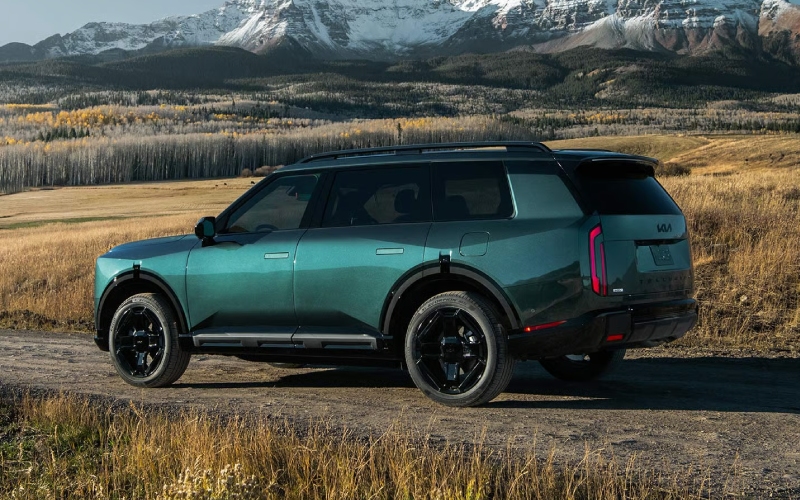
Russ Darrow Kia of Wauwatosa – Can the 2027 Kia Telluride Hybrid tow a family camper around Waukesha, WI?
The Telluride turbo-hybrid introduces strong, usable power with a smooth electric assist—making it a compelling candidate for pulling a small to midsize family camper for weekends around Waukesha, WI. If you’re mapping out summer campground reservations or planning fall cabin escapes, it pays to understand how the hybrid powertrain, towing equipment, and AWD options work together for confident trailering.
Let’s break down what the vehicle is engineered to do, what you can tow when properly equipped, and how to get set up so your first trip feels calm and predictable. We’ll also share practical tips that fit local routes, from rolling onto I-94 to easing into tighter sites at county parks.
Rated to Tow When Properly Equipped
When properly equipped with the available tow hitch and available self-leveling rear suspension, the 2027 Telluride Hybrid is rated to tow up to 4,500 lbs. That’s a helpful benchmark for many pop-up campers, lightweight travel trailers, teardrops, and small toy haulers. The hybrid’s 329 hp and 339 lb.-ft. of torque help deliver steady pull off the line and reassuring midrange response, so getting up to speed on highway ramps or maintaining momentum on rolling grades feels natural.
Always verify your specific trailer’s weight, including cargo, water, propane, and accessories. Your final “as-towed” weight matters most—and should remain within the vehicle’s ratings. Keep an eye on tongue weight as well; proper distribution contributes to stability and predictable steering feel.
How the Hybrid System and Available AWD Support Towing
The turbo-hybrid pairing is designed to deliver responsive, consistent power. The electric motor can help with initial torque and smoother launches, while the turbocharged engine sustains the pull at speed. Available AWD with Terrain Mode for snow, mud, and sand can also be beneficial if you’re traversing gravel access roads or damp grass at a campsite. While you’ll tow primarily in normal conditions, having adaptable traction in reserve helps if weather or surface conditions change at the last minute.
Regenerative braking contributes to everyday efficiency, but remember that your stopping setup should always match your trailer’s weight. If your camper requires trailer brakes, ensure they are installed and properly adjusted based on applicable regulations and best practices. Smooth, progressive pedal inputs are key to keeping the rig composed.
Cabin Tech That Simplifies the Trip
The available digital cockpit with 29.6 in. of combined displays keeps your route, vehicle info, and media clearly within view. Wireless Apple CarPlay® and Wireless Android Auto™ streamline navigation and music without cable clutter, and intuitively placed dual wireless chargers help keep your phones ready. The available 360° Surround View Monitor can provide an aerial perspective during low-speed maneuvering—great for aligning with a trailer coupler at home or nudging into a tight campsite. The available Full Display Mirror® can help provide a rearward view even if the cargo area is full of cooler bags and duffels.
For highway stretches, available Highway Driving Assist 2 and Navigation-Based Smart Cruise Control w/ Stop & Go – Curve can lend a hand by helping maintain a set following distance and adapting to changing speed limits on certain roads when available and actively engaged. These systems are designed to assist, not replace attentive driving, but they reduce some of the routine workload so you can focus on the bigger towing picture.
What Can You Realistically Tow?
Many pop-up campers (1,500–2,500 lbs. dry), lightweight fiberglass trailers (2,000–3,500 lbs. dry), and compact toy haulers or teardrops (1,200–2,800 lbs. dry) fit into the Telluride Hybrid’s wheelhouse when properly equipped. The key is calculating your “camp-ready” weight: add water (8.3 lbs./gal), propane, batteries, racks, and the gear you actually bring. A trailer listed at 2,900 lbs. dry can easily approach 3,500–4,000 lbs. in real use. Staying within ratings preserves braking headroom and keeps handling composed.
Pre-Trip Setup and Tow-Day Routine
Use a repeatable process before each trip. It builds confidence and shortens your setup time at home and at the campsite.
- Confirm your equipment: Ensure the available tow hitch is properly installed and torque-checked, and verify you have the correct ball size and weight-rated components.
- Balance your load: Pack heavier items low and centered over the trailer axle; target proper tongue weight to help reduce sway.
- Check lighting and brakes: Plug in the harness, verify signal/brake lights, and test trailer brakes if equipped according to manufacturer guidance.
- Set your mirrors and aids: Adjust side mirrors and activate the available 360° Surround View Monitor when maneuvering at low speeds.
- Plan your route: Favor familiar on-ramps and fuel stops along I-94, and use navigation to avoid low-clearance or tight downtown streets when towing.
Once you’re moving, accelerate smoothly, maintain generous following distance, and keep speeds moderate. On rolling hills near Waukesha, steady throttle and a calm pace usually deliver the most composed towing feel.
Parking and Campground Maneuvering
Arriving at a busy county park or a narrow private site is often the most stressful moment of the day. Take it slow, recruit a spotter if available, and use your available camera views to maintain awareness. Small adjustments beat big corrections—think in half-turns and watch your trailer’s pivot point. If a setup isn’t working, there’s no harm in pulling forward and trying again from a wider angle.
Device Power and Cabin Comfort on the Road
Inside, USB-C ports in all 3 rows and a 115V outlet in the cargo area help keep devices ready for campsite photos, maps, and playlists. Heated and ventilated 1st- and 2nd-row seats available on certain trims add comfort when you’re logging several hours at the wheel or setting up camp late in the day. Peaceful ride quality and supportive seating help you arrive refreshed and ready to enjoy the evening.
Frequently Asked Questions:
Do I need AWD to tow a camper?
AWD isn’t strictly required, but available AWD with Terrain Mode can add useful traction for wet grass, gravel drives, or mild uphill launches. If your camping includes unpaved or variable surfaces, AWD is a smart addition.
Can I tow at highway speeds comfortably?
Yes, when you’re within ratings, properly equipped, and balanced, the hybrid’s 329 hp and 339 lb.-ft. of torque support steady highway cruising. Keep speeds reasonable, maintain space, and make smooth inputs for the most settled feel.
What if my trailer is close to the limit?
Give yourself margin. If your as-towed weight is close to 4,500 lbs., pack lighter, verify tongue weight, and confirm your braking setup. Staying comfortably within ratings helps handling, braking, and overall trip confidence.
If you want hands-on guidance, a towing walkthrough, or help comparing hitches and accessories, our team can help you plan based on the gear you actually bring. Russ Darrow Kia of Wauwatosa offers friendly, practical support—serving Milwaukee, Greenfield, and Waukesha—so you can set out confident that your Telluride Hybrid is set up the right way for your family’s trips.
0 comment(s) so far on Can the 2027 Kia Telluride Hybrid tow a family camper around Waukesha, WI?